
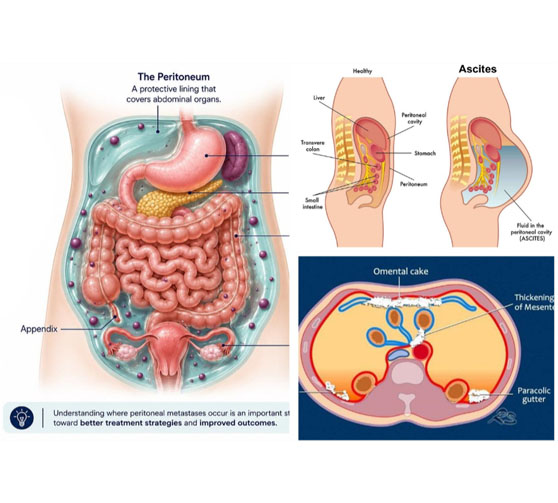
Pressurized Intraperitoneal Aerosol Chemotherapy (PIPAC) is a minimally invasive method for administering chemotherapy directly into the abdominal cavity as a pressurized aerosol. It is mainly regarded for patients with peritoneal metastases or peritoneal carcinomatosis, especially when standard treatment options like cytoreductive surgery and HIPEC may not be appropriate.

The aerosol under pressure aims to deliver a more consistent spread of chemotherapy throughout the peritoneal cavity and enhance the tumor deposits' exposure to the treatment. PIPAC can be applied multiple times and is frequently regarded in conjunction with systemic chemotherapy within a comprehensive cancer treatment approach.
PIPAC Treatment at Sanjivani Cancer Centre


Why is PIPAC (Pressurized Intraperitoneal Aerosol Chemotherapy) Used?

Pressurized Intraperitoneal Aerosol Chemotherapy (PIPAC) is used to treat cancer that has spread to the lining of the abdominal cavity (peritoneum), particularly when the disease is difficult to control with conventional chemotherapy.

PIPAC is used because it can:

  • Deliver chemotherapy directly into the abdominal cavity, targeting cancer deposits on the peritoneum.
  • Use pressure to improve the distribution and penetration of chemotherapy into tumor tissue.
  • Treat peritoneal metastases from cancers such as colorectal, gastric, ovarian, appendiceal and other abdominal cancers.
  • Offer a treatment option when systemic chemotherapy is no longer sufficiently effective or when surgery is not suitable.
  • Be repeated in multiple treatment cycles, depending on the patient's condition and treatment response.
  • Potentially control symptoms and disease progression, including abdominal fluid accumulation (ascites), in selected patients.
  • Reduce systemic exposure to chemotherapy compared with conventional intravenous administration, although side effects can still occur.

Types of Cancer Treated with PIPAC

Pressurized Intraperitoneal Aerosol Chemotherapy (PIPAC) is primarily used for peritoneal metastases—when cancer has spread to the lining of the abdominal cavity. It is not a treatment for every stage or type of cancer.

The cancers most commonly treated or investigated with PIPAC include:

  • Colorectal cancer - when it has spread to the peritoneum.
  • Gastric (stomach) cancer - particularly with unresectable peritoneal metastases.
  • Ovarian cancer - including other selected gynecological cancers with peritoneal spread.
  • Peritoneal mesothelioma - a cancer originating in the peritoneal lining.
  • Pancreatic cancer - PIPAC is being studied for selected cases with peritoneal metastases.
  • Hepatobiliary cancers - including selected cancers of the liver, bile ducts and related organs.
  • Pseudomyxoma peritonei - a rare condition involving mucin-producing tumors within the abdomen.
  • Other selected cancers - studies have also investigated PIPAC for cancers originating from the endometrium, breast and other abdominal/pelvic sites.

When is PIPAC Considered?

PIPAC is typically recommended for specific patients with peritoneal metastases, especially when the disease cannot be completely excised surgically or when standard systemic chemotherapy has minimal impact. Patient selection depends on factors such as the primary cancer, extent of peritoneal disease, overall condition and previous treatments.

How PIPAC is Performed

Pressurized Intraperitoneal Aerosol Chemotherapy (PIPAC) is a minimally invasive procedure used to deliver chemotherapy directly into the abdominal cavity, particularly for cancers that have spread to the peritoneum.

Step-by-step Procedure of PIPAC:

  • Pre-operative Assessment: The patient undergoes medical assessment, blood tests, imaging, and an evaluation by the oncology and surgical team to determine whether PIPAC is appropriate. PIPAC is performed in an operating room under general anaesthesia, so the patient remains asleep during the procedure.
  • Laparoscopic Access & Inspection: Small incisions are made in the abdomen. A laparoscope and specialized instruments are inserted to examine the abdominal cavity and assess the extent of peritoneal disease. The surgeon may inspect the peritoneum, document the extent of cancer spread, and take tissue or fluid samples for pathological examination when required.
  • Aerosol Chemotherapy Administration: The selected chemotherapy drug is converted into a fine aerosol using a specialized PIPAC nebulizer. Chemotherapy aerosol is introduced into the abdominal cavity under controlled pressure. The pressure helps distribute the drug throughout the peritoneal cavity and allows localized chemotherapy delivery. The aerosolized chemotherapy remains inside the abdominal cavity for a controlled period, according to the treatment protocol and drugs being used.
  • Evacuation & Closure: After treatment, the chemotherapy aerosol is safely evacuated through a closed system. The abdominal cavity is then returned to normal pressure. The laparoscopic instruments are removed, and the small incisions are closed.
  • Post-operative Care: The patient is monitored after the procedure for pain, nausea, infection, bleeding and other possible complications. Hospital stay varies depending on the patient's condition and the treatment protocol.

Possible Risks and Side Effects of PIPAC

Pressurized Intraperitoneal Aerosol Chemotherapy (PIPAC) is generally considered a feasible and relatively well-tolerated treatment for selected patients with peritoneal metastases. However, like any surgical procedure and chemotherapy treatment, it can cause side effects and complications. The type and severity of side effects may vary depending on the patient's overall health, cancer type, chemotherapy drugs used, and number of PIPAC cycles.

Common Side Effects

  • Abdominal pain or discomfort
  • Nausea and vomiting
  • Fatigue or weakness
  • Loss of appetite
  • Bloating or abdominal distension
  • Mild fever
  • Constipation or changes in bowel movements
  • Temporary discomfort at laparoscopic incision sites

Possible Surgical Complications

  • Bleeding
  • Infection
  • Injury to the bowel or other abdominal organs
  • Bowel obstruction
  • Abdominal inflammation
  • Problems related to laparoscopic access
  • Rarely, bowel perforation

Frequently Asked Questions About PIPAC

1. Is PIPAC a type of Chemotherapy?

Yes. PIPAC is a method of delivering chemotherapy directly into the peritoneal cavity as a pressurized aerosol rather than giving chemotherapy only through a vein.

2. Is PIPAC a major surgery?

PIPAC is generally performed using minimally invasive laparoscopic techniques and does not involve removal of all visible tumour deposits. This makes it different from extensive cytoreductive surgery.

3. How long does a PIPAC procedure take?

The total operating-room time varies according to the patient and treatment protocol. The chemotherapy exposure itself is commonly maintained for approximately 30 minutes in established protocols.

4. How many PIPAC sessions are required?

There is no single schedule for every patient. PIPAC may be repeated at intervals depending on tumour response, tolerance, cancer type and the treatment protocol used by the oncology team.

5. Can PIPAC cure cancer?

PIPAC should not be presented as a guaranteed cure. It is primarily used to control or treat peritoneal disease in selected patients, and research is continuing to establish its role in different cancers. In some treatment strategies, tumour response may potentially allow subsequent surgical treatment in selected patients.

6. Can PIPAC be combined with intravenous chemotherapy?

Yes. PIPAC can be incorporated into multimodal treatment and may be administered alongside systemic chemotherapy when considered appropriate by the treating team.

7. Is PIPAC suitable for all patients with peritoneal metastases?

No. Eligibility depends on the primary cancer, extent of peritoneal disease, previous treatment, general health, organ function, ascites, ability to undergo anaesthesia and laparoscopic access, among other factors.

8. Does PIPAC require an open abdominal operation?

Usually, no. PIPAC is generally performed through laparoscopic access using small abdominal incisions.

9. Is PIPAC painful?

The procedure is performed under general anaesthesia, so the patient does not feel the procedure itself. Some abdominal pain or discomfort can occur during the recovery period.

10. Is PIPAC an established standard treatment?

PIPAC is an established treatment technique in specialist centers but its precise role varies by cancer type and clinical setting. Evidence remains heterogeneous, and further prospective research is needed to establish which patients benefit most.

Why Choose Sanjivani Cancer Centre for PIPAC Treatment?

Sanjivani Cancer Centre provides advanced oncological care with a focus on complex cancer surgery, minimally invasive techniques, and personalized treatment. Its services specifically include HIPEC/PIPAC, while PIPAC is a specialized intraperitoneal chemotherapy technique that should be considered after evaluation by an appropriate oncology team.

Key Reasons to Consider Sanjivani Cancer Centre:

  • Experienced Surgical Oncology Team: The centre was founded by experienced Surgical Oncologists and focuses on complex and advanced cancer procedures.
  • Expertise in Complex Abdominal Cancers: GI cancer surgery, hepatobiliary surgery, gynecologic oncology and intraperitoneal chemotherapy services are part of its oncology offering.
  • Accessible Locations: The centre operates across locations including Thane and Virar, providing access to cancer-care services in the Mumbai Metropolitan Region.
  • Advanced Treatment Options: The center’s stated focus includes complex and cutting-edge oncological surgery and treatment at accessible costs.

At Sanjivani Cancer Centre, patients with selected peritoneal cancers can benefit from a specialized, multidisciplinary approach to advanced cancer care. With expertise in complex oncological surgery, minimally invasive procedures and intraperitoneal cancer treatments, our team focuses on developing personalized treatment plans based on each patient's cancer condition and treatment history. Our goal is to combine advanced medical techniques with compassionate, patient-focused care throughout the cancer journey.

Clinic Timings

Visit our clinics across various locations for expert consultation

THANE

MON - SAT

2 PM - 8 PM

VIRAR

WED & SAT

10 AM - 12 PM

MIRA ROAD

WED & SAT

3 PM - 5 PM

Vashi

WED & SAT

3 PM - 5 PM

Malad

WED & SAT

3 PM - 5 PM