
Urological cancer treatment involves the diagnosis and management of cancers affecting the urinary system in men and women, as well as the male reproductive organs. Early diagnosis, accurate staging, and an individualized treatment plan can help improve treatment outcomes and quality of life.
What Is Urological Cancer?
Urological cancers develop in organs responsible for producing, storing, and eliminating urine, as well as certain male reproductive organs. Treatment depends on the type of cancer, its stage, the patient's overall health, and other individual factors.
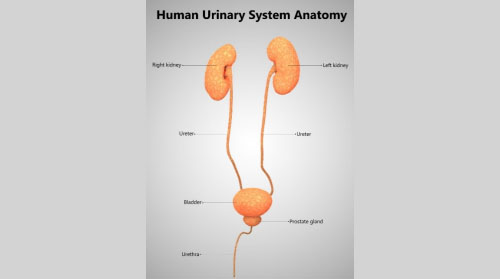
Urologic cancers affect the urinary tract and male reproductive organs. The main types include Kidney Cancer, Bladder Cancer, Prostate Cancer, Testicular Cancer and Ureter and Renal Pelvis Cancer.
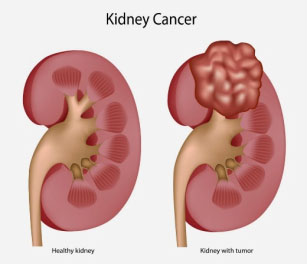
Kidney cancer develops when abnormal cells grow in the kidney. Treatment may include surgery, targeted therapy, immunotherapy, or active surveillance in selected cases.
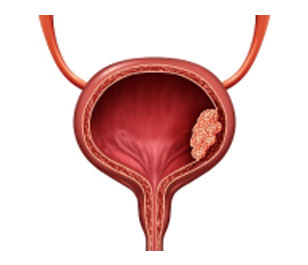
Bladder cancer begins in the tissues of the urinary bladder. Depending on the stage, treatment may involve tumour removal, medicines placed inside the bladder, immunotherapy, chemotherapy, or surgery.
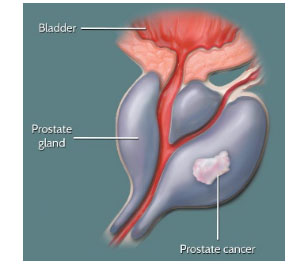
Prostate cancer affects the prostate gland in men. Treatment options include active surveillance, surgery, radiation therapy, hormone therapy, and other systemic treatments.
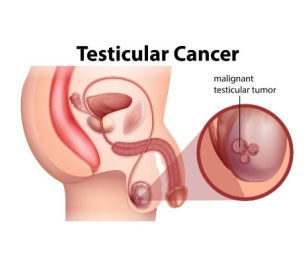
Testicular cancer develops in one or both testicles. Treatment commonly involves surgery and, depending on the cancer type and stage, chemotherapy or other specialist-directed care.
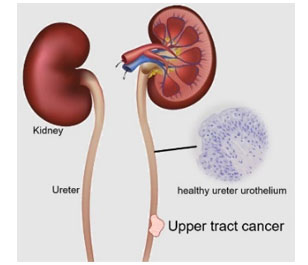
These cancers affect the upper urinary tract. Treatment may involve surgery and, in selected cases, chemotherapy or immunotherapy.
Symptoms vary according to the affected organ. These symptoms can also occur with non-cancerous conditions. Medical evaluation is important, particularly if symptoms persist or blood appears in the urine.
Some urological cancers may not cause noticeable symptoms in their early stages.
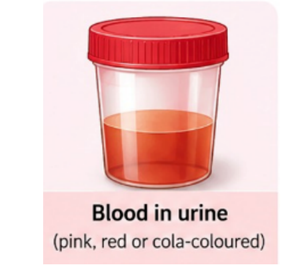
Blood in the urine, even if painless
Frequent or urgent urination
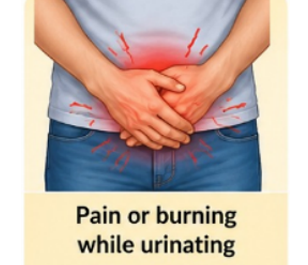
Pain or burning during urination
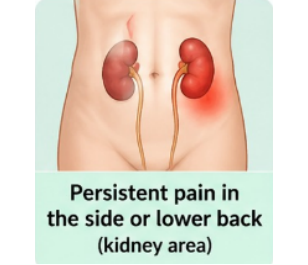
Persistent pain in the lower back, side, or pelvis
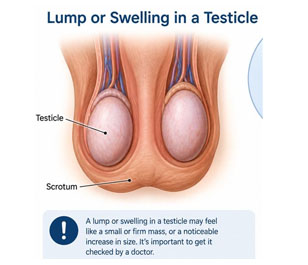
A lump or swelling in a testicle

Unexplained weight loss

Persistent fatigue

Persistent bone pain in advanced prostate cancer
Risk factors differ between cancer types, and having one or more does not necessarily mean a person will develop cancer.
Common risk factors include:
A specialist may recommend one or more of the following tests:
Not every patient requires every test. Investigations are selected according to the suspected cancer.
Treatment is planned according to the cancer type, stage, tumour characteristics, and the patient's preferences and overall health.
Surgery may remove the tumour or the affected organ, depending on the diagnosis. Kidney-sparing procedures and other organ-preserving approaches may be possible in selected cases.
High-energy radiation is used to destroy cancer cells. It is an important treatment option for selected prostate and other urological cancers.
Anti-cancer medicines destroy or inhibit the growth of cancer cells. Chemotherapy may be used before or after surgery, or for cancers that have spread.
These treatments help the immune system fight cancer or target specific biological mechanisms involved in cancer growth. Their suitability depends on the cancer type and clinical findings.
Some slow-growing cancers may be monitored closely instead of treated immediately. Supportive care helps manage symptoms, side effects, and quality of life throughout treatment.
At Sanjivani Cancer Centre, patients can seek specialist evaluation and guidance for suspected or diagnosed urological cancers. Treatment planning should be based on an accurate diagnosis and an individual assessment.
Key aspects of cancer care may include:
There is no single best treatment for every patient. Options include surgery, radiation therapy, chemotherapy, immunotherapy, targeted therapy, or active surveillance, depending on the cancer type and stage.
Some urological cancers can be cured, particularly when detected at an early stage. Outcomes depend on the cancer type, extent of disease, and response to treatment.
Blood in the urine, persistent urinary changes, a testicular lump, and unexplained pain may require medical evaluation. Some cancers cause no early symptoms.
No. Some cancers can be managed with radiation therapy, medicines, or active surveillance. Surgery is recommended when appropriate for the specific diagnosis.
Consult a qualified doctor if you notice blood in your urine, a testicular lump, persistent urinary symptoms, or other unexplained changes. Seek prompt evaluation rather than waiting for symptoms to worsen.
Visit our clinics across various locations for expert consultation