
Rectal cancer is a type of colorectal cancer that develops in the rectum, the final section of the large intestine. Treatment depends on the location and size of the tumour, whether lymph nodes or other organs are involved, the cancer stage, the tumor’s molecular characteristics, and the patient's overall health.

Modern Rectal Cancer treatment may involve a combination of Surgery, Chemotherapy, Radiation Therapy, Chemoradiation, Targeted Therapy And Immunotherapy. For selected patients, treatment may be given before surgery to shrink the tumour and improve the chances of complete removal while preserving normal bowel and sphincter function.
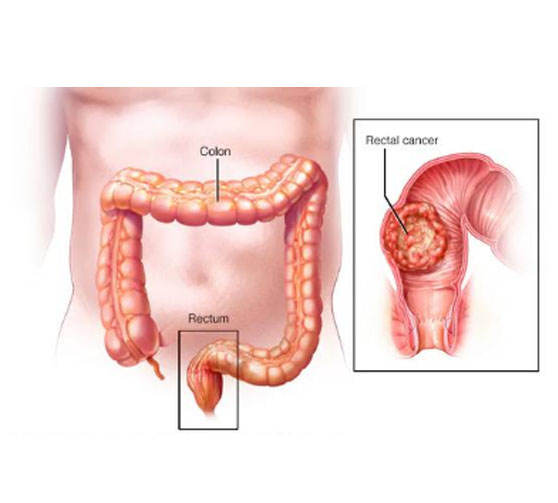
Rectal Cancer Overview


What Is Rectal Cancer?

Rectal cancer occurs when abnormal cells in the rectum grow uncontrollably and form a tumour. As the disease progresses, cancer cells may invade surrounding tissues or spread to nearby lymph nodes and distant organs such as the liver or lungs.

Early diagnosis and appropriate staging are important because treatment differs significantly between early-stage and locally advanced or metastatic rectal cancer.

Causes of Rectal Cancer

There is usually no single identifiable cause of rectal cancer. It develops through genetic and cellular changes that allow abnormal cells to grow and survive. Factors that may contribute to the development of colorectal cancer include:

Increasing age Family history of colorectal cancer or certain inherited syndromes Personal history of colorectal polyps or colorectal cancer Long-standing inflammatory bowel disease Smoking and tobacco use Heavy alcohol consumption Being overweight or obese Physical inactivity Diets high in processed or red meat and low in fibre Certain inherited genetic conditions

Having a risk factor does not necessarily mean that a person will develop rectal cancer.

Symptoms of Rectal Cancer

Some patients may have no symptoms during the early stages. When symptoms occur, they can include:

Blood in the stool or rectal bleeding Change in bowel habits Persistent constipation or diarrhea Narrower-than-usual stools Feeling that the bowel has not completely emptied Abdominal or rectal discomfort Unexplained weight loss Persistent fatigue or weakness Anemia due to chronic blood loss Urgency to pass stools Pelvic or rectal pain, particularly in advanced disease
NOTE: Rectal bleeding should not automatically be assumed to be piles or haemorrhoids. Persistent or unexplained bleeding should be evaluated by a qualified doctor.

Risk Factors for Rectal Cancer

The risk of developing rectal cancer may increase with:

  • Age: The risk generally increases with age, although rectal cancer can occur in younger adults as well.
  • Family History: Having close relatives with colorectal cancer or certain polyps can increase risk.
  • Previous Polyps: Some types of colorectal polyps can develop into cancer over time.
  • Inflammatory Bowel Disease: Long-standing conditions such as ulcerative colitis and Crohn's disease involving the colon can increase colorectal cancer risk.
  • Lifestyle Factors: Smoking, physical inactivity, obesity, excessive alcohol consumption and an unhealthy diet may contribute to increased risk.
  • Genetic Syndromes: Inherited conditions such as Lynch syndrome and familial adenomatous polyposis can substantially increase colorectal cancer risk.

Diagnosis of Rectal Cancer

A doctor may recommend several tests to diagnose and stage rectal cancer:
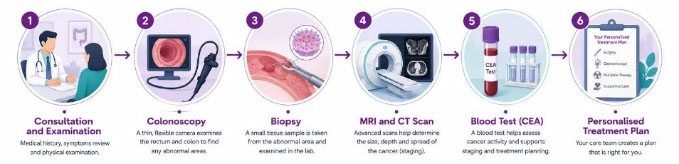
  • Physical and Rectal Examination: A digital rectal examination may help identify an abnormal growth in the rectum.
  • Colonoscopy: A colonoscopy allows the doctor to examine the rectum and colon using a flexible camera. If an abnormal area is found, a biopsy can be taken for laboratory examination.
  • Biopsy: A biopsy examines tissue under a microscope to determine whether cancer cells are present and to identify the tumour type.
  • Imaging Tests: Imaging may include MRI of the pelvis, CT scan, PET/CT in selected situations, and chest imaging depending on the suspected extent of disease. Pelvic MRI is particularly useful for evaluating the local extent of rectal cancer and helping doctors plan treatment.
  • Blood Tests: Blood tests may be performed to assess general health and organ function:
    • Complete blood count (CBC) to check your red blood cell levels (low levels may be a sign of bleeding in your rectum)
    • Comprehensive metabolic panel (CMP), which shows how well your kidneys and liver work
    • Liver enzyme test to check for issues with your liver
    • CEA test to measure the blood protein carcinoembryonic antigen (high levels may be a sign of rectal cancer)
  • Molecular and Biomarker Testing: Testing for characteristics such as mismatch repair deficiency (dMMR) or microsatellite instability (MSI) can help guide treatment decisions in selected patients, including the possible use of immunotherapy.
Diagnosis of Rectal Cancer

Stages of Rectal Cancer

Rectal cancer is commonly staged using the TNM system, which considers the primary tumour, lymph nodes and distant spread.

Stage 0

Abnormal or cancerous cells are confined to the innermost lining of the rectum.

Stage I

The cancer has grown into deeper layers of the rectal wall but has not spread to nearby lymph nodes or distant organs.

Stage II

The cancer has grown through the rectal wall and may extend into nearby tissues, but it has not spread to nearby lymph nodes.

Stage III

The cancer has spread to nearby lymph nodes but has not spread to distant organs.

Stage IV

The cancer has spread to distant organs or tissues, commonly including the liver or lungs.

Treatment is individualized within each stage because tumour location, molecular features, response to treatment and the patient's overall health can influence the treatment plan.
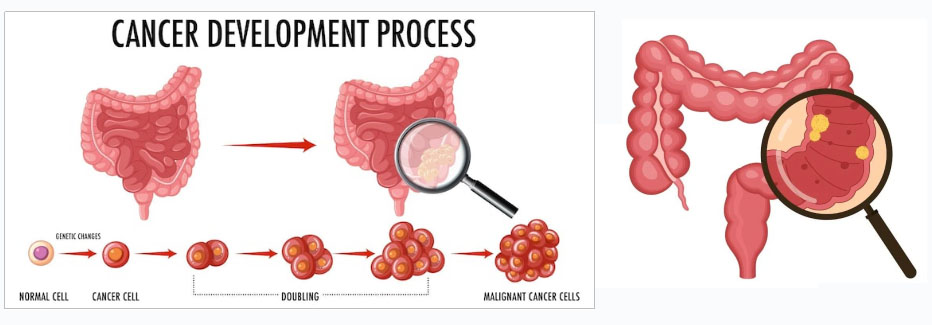
Stages of Rectal Cancer

Rectal Cancer Treatment Options

Treatment may involve one or more of the following:

  • Surgery: Surgery is an important treatment for many rectal cancers. The type of operation depends on the tumour's location, size, stage and relationship to the anal sphincter.
  • Chemotherapy: Chemotherapy uses anti-cancer medicines to destroy cancer cells or stop them from multiplying. It may be administered before surgery, after surgery, or as part of treatment for advanced disease.
  • Radiation Therapy: Uses high-energy radiation to destroy cancer cells. It is used more commonly for rectal cancer than for colon cancer and may be given before surgery, after surgery or to control symptoms in selected advanced cases.
  • Chemoradiation: Combines chemotherapy and radiation therapy. It may be used before surgery to shrink a tumour, improve local control and potentially make surgery more effective.
  • Total Neoadjuvant Therapy (TNT): For selected locally advanced rectal cancers, chemotherapy and radiation-based treatment may be delivered before surgery. This approach can help treat microscopic disease early while potentially improving tumour response.
  • Targeted Therapy: Targeted medicines may be considered for selected advanced rectal cancers depending on the tumour's molecular characteristics and previous treatments.
  • Immunotherapy: Immunotherapy may be appropriate for selected rectal cancers with specific biomarkers, such as mismatch repair deficiency or microsatellite instability.
  • Active Surveillance: For carefully selected patients who achieve a complete clinical response after neoadjuvant treatment, a structured active-surveillance or "watch-and-wait" approach may sometimes be considered instead of immediate surgery under strict monitoring.

Surgery for Rectal Cancer

The goal of surgery is to remove the cancer completely while preserving bowel function and, when safely possible, the anal sphincter.

  • Local Excision: Small, early-stage rectal cancers may sometimes be removed through the anus without a major abdominal operation.
  • Low Anterior Resection (LAR): Low anterior resection removes the section of the rectum containing the tumour and reconnects the remaining bowel when feasible. A temporary ileostomy may sometimes be created to protect the healing connection.
  • Abdominoperineal Resection (APR): When the tumour is very close to or involves the anal sphincter and cannot be safely removed while preserving it, an abdominoperineal resection may be required. This operation generally results in a permanent colostomy.
  • Proctectomy With Coloanal Anastomosis: In selected patients, the rectum may be removed and the colon connected to the anus to maintain the natural route for bowel movements.
  • Pelvic Exenteration: For selected locally advanced tumours that have invaded nearby organs, extensive surgery involving removal of affected pelvic organs may be considered at specialist cancer centres.

Rectal Cancer - Frequently Asked Questions

1. Is rectal cancer curable?

Rectal cancer can be curable, particularly when diagnosed before it has spread to distant organs. The possibility of cure depends on factors such as stage, tumour biology, response to treatment and whether the cancer can be completely removed.

2. What is the best treatment for rectal cancer?

There is no single treatment that is best for every patient. Depending on the stage and tumour characteristics, treatment may include surgery, chemotherapy, radiation, chemoradiation, total neoadjuvant therapy, targeted therapy or immunotherapy.

3. Does every rectal cancer patient need surgery?

No. Some very early cancers may be treated with local excision, while selected patients who have a complete response to neoadjuvant treatment may be considered for active surveillance. However, surgery remains an important treatment for many patients.

4. Will rectal cancer surgery require a colostomy?

Not necessarily. Some operations allow the bowel to be reconnected. A temporary ileostomy may be used to protect a surgical connection. In some cases, particularly when the tumour involves the anal sphincter or is very close to the anus, a permanent colostomy may be required.

5. Can rectal cancer be treated without surgery?

In selected cases, particularly when a complete clinical response is achieved after appropriate neoadjuvant treatment, active surveillance may be considered. This is not appropriate for everyone and requires strict monitoring.

6. Is chemotherapy given before or after rectal cancer surgery?

It can be given before and/or after surgery depending on the stage and treatment strategy. For locally advanced disease, chemotherapy and radiation may be incorporated into treatment before surgery.

7. Is radiation therapy commonly used for rectal cancer?

Yes. Radiation therapy has an important role in treating many rectal cancers, particularly locally advanced disease. It is frequently combined with chemotherapy and may be administered before surgery.

8. Can rectal cancer spread to other organs?

Yes. Advanced rectal cancer can spread to distant organs, most commonly the liver and lungs. Treatment for metastatic disease may include systemic therapy, surgery or other local treatments depending on where and how extensively the cancer has spread.

9. Can rectal cancer come back after treatment?

Yes. Recurrence can occur locally or in distant organs. Regular follow-up after treatment is therefore important.

10. When should I consult a doctor?

Consult a doctor if you experience persistent rectal bleeding, unexplained changes in bowel habits, blood in the stool, unexplained weight loss, persistent abdominal or rectal discomfort, or other symptoms that concern you. Early evaluation can help identify the cause and, when cancer is present, facilitate timely treatment.

Why Choose Sanjivani Cancer Centre for Rectal Cancer Treatment?

Choosing the right cancer centre is an important decision, particularly for rectal cancer, where treatment may involve surgery, chemotherapy, radiation therapy, and careful long-term follow-up. Sanjivani Cancer Centre focuses on advanced cancer surgery, minimally invasive techniques and personalized cancer care.

  • Experienced Surgical Oncology Team: Founded by experienced Surgical Oncologists providing specialized surgical cancer treatment including advanced laparoscopic surgery.
  • Specialized Gastrointestinal Cancer Care: Offers dedicated GI Cancer Surgery with extensive experience in digestive system cancers.
  • Advanced Laparoscopic Surgery: Minimally invasive laparoscopic options using small incisions to support faster recovery.
  • Personalized Treatment Planning: Emphasizes individualized treatment plans based on tumour location, stage, and molecular markers.
  • Comprehensive Cancer Treatment Approach: Integrated services supporting patients through all phases from diagnosis to recovery.
  • Focus on Minimally Invasive Techniques: Specialized surgical approach aimed at reducing surgical trauma and preserving quality of life.
  • Compassionate Patient Care: Highlights clear communication, patient education, and continuous emotional and medical support.
  • Accessible Cancer Care: Accessible and affordable surgical cancer care across centers in Thane West, Virar East, Mumbai, and Navi Mumbai.

A Patient-Centered Approach to Rectal Cancer Care

At Sanjivani Cancer Centre, the goal is to combine oncological expertise, advanced surgical techniques, personalized treatment planning and compassionate care to help patients receive appropriate treatment for rectal cancer.

Clinic Timings

Visit our clinics across various locations for expert consultation

THANE

MON - SAT

2 PM - 8 PM

VIRAR

WED & SAT

10 AM - 12 PM

MIRA ROAD

WED & SAT

3 PM - 5 PM

Vashi

WED & SAT

3 PM - 5 PM

Malad

WED & SAT

3 PM - 5 PM